This week at Neurospine International: three cases, three minimally invasive approaches
At Neurospine International, we work every week with a wide range of central and peripheral nervous system conditions. Today we’re sharing three recent cases that show how early diagnosis combined with minimally invasive techniques directly improves our patients’ quality of life.
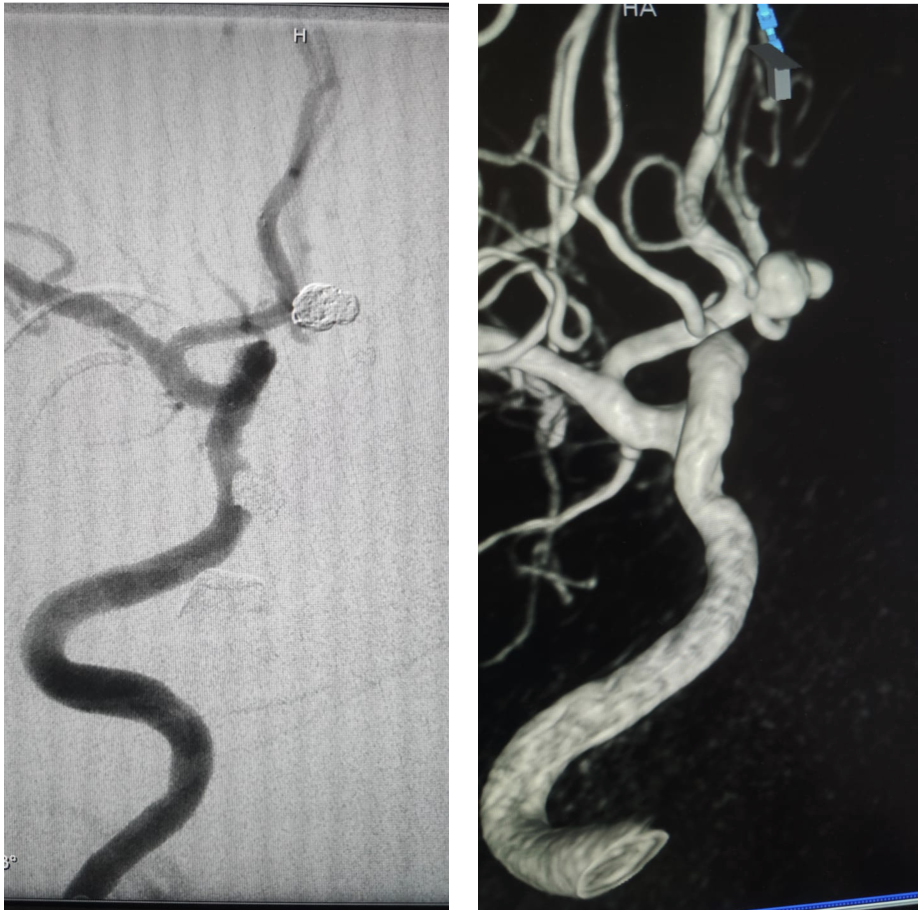
Case 1: Embolization of an anterior communicating artery aneurysm
An incidental finding — detected on an imaging study ordered for an unrelated reason — revealed an aneurysm at the anterior communicating artery, one of the most common and highest-risk locations in the event of rupture. Endovascular treatment via embolization was chosen, avoiding an open craniotomy. The procedure successfully excluded the aneurysm from circulation, with a fast recovery and minimal risk to the patient.
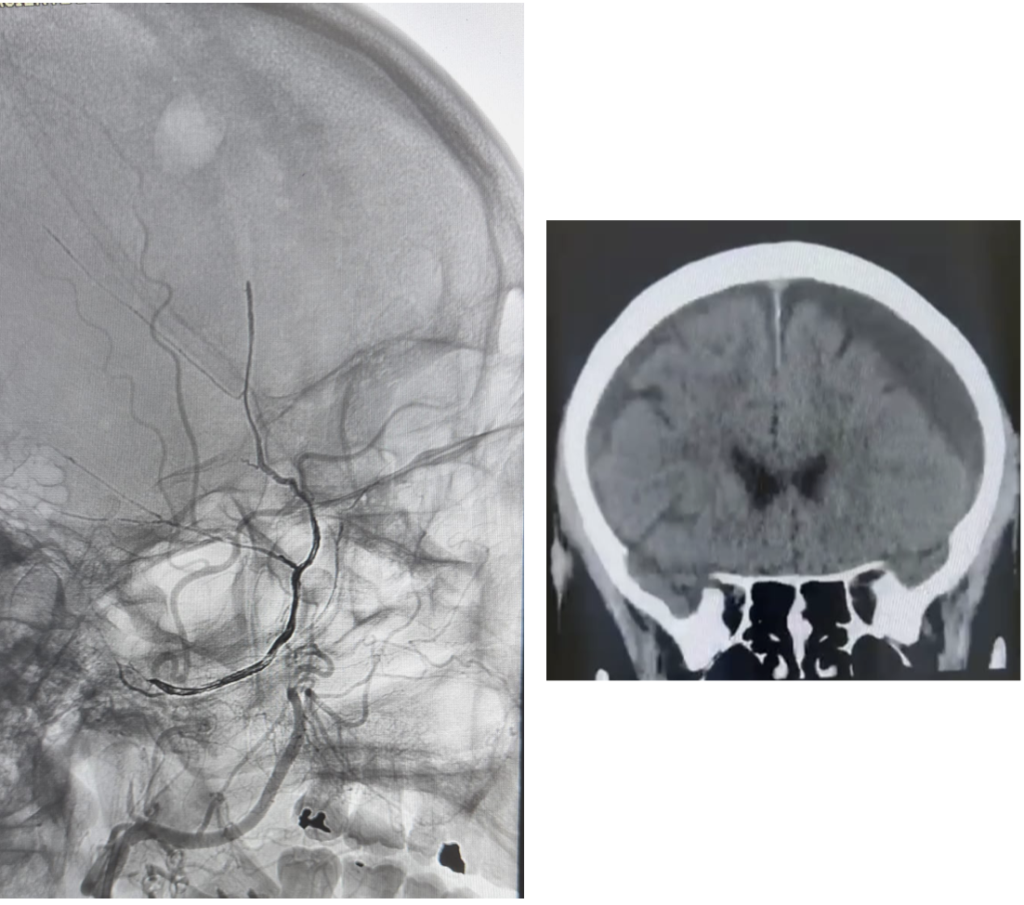
Case 2: Middle meningeal artery embolization for chronic subdural hematoma
In an elderly patient with a chronic subdural hematoma, middle meningeal artery embolization was performed alongside conventional management. This technique, increasingly used in older patients or those with comorbidities, significantly reduces the risk of hematoma recurrence by interrupting its main vascular source — offering a safer alternative to repeated surgical intervention.
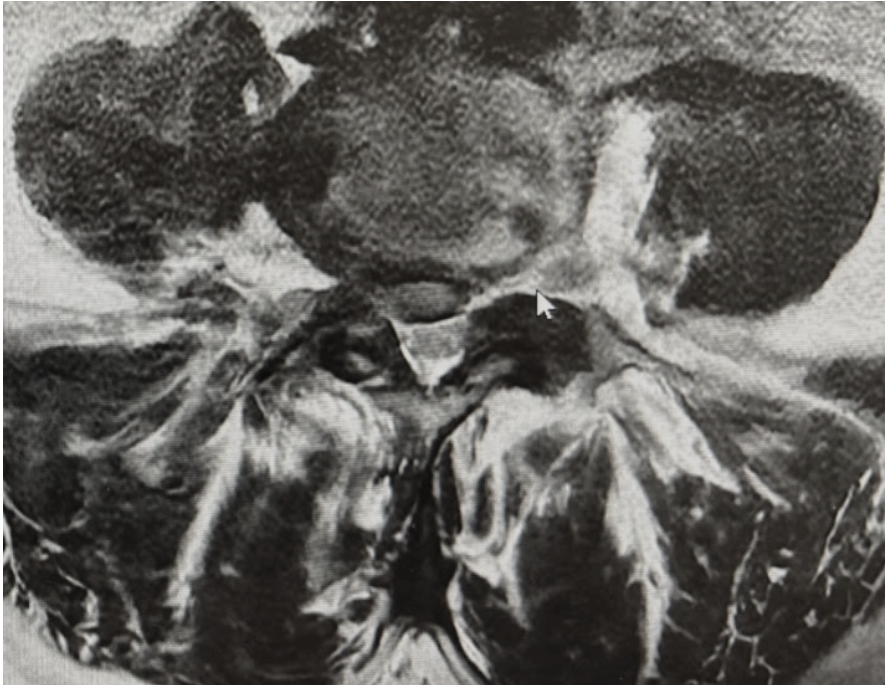
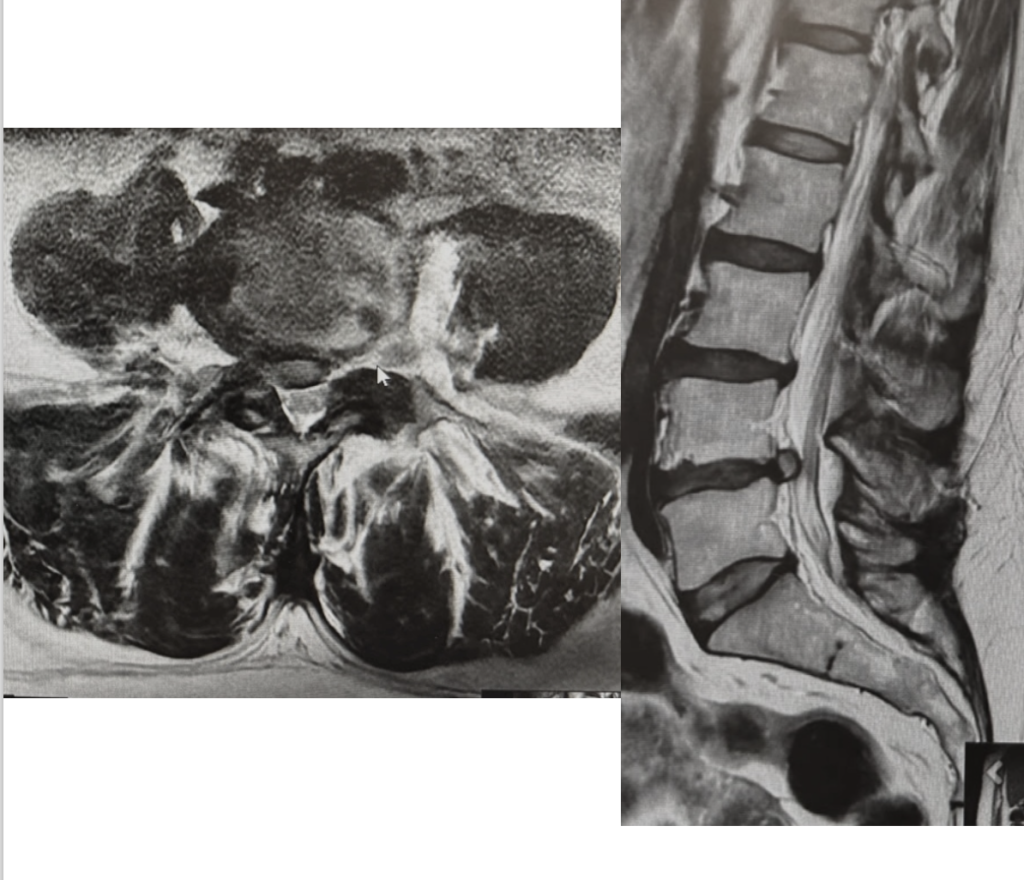
Case 3: Microdiscectomy for severe, intractable radicular pain
The third case involved a patient with severe, hyperalgic radicular pain that was refractory to conservative treatment. A microdiscectomy was performed — a minimally invasive technique that allows precise decompression of the affected nerve root with minimal tissue damage. The result was immediate pain relief and a rapid functional recovery.
These three cases reflect our philosophy: whenever possible, we prioritize the least invasive approach without compromising treatment effectiveness.